Lifestyle photography is more than taking beautiful pictures. It is about telling real stories through natural moments. Instead of asking people to pose perfectly, a lifestyle photographer captures genuine smiles, emotions, and daily activities. This style creates memories that feel honest and timeless. Families, couples, brands, and content creators all love lifestyle photography because it reflects real life. Whether you are using a professional camera or a smartphone, you can create meaningful images by focusing on emotions, light, and connection. This guide explains everything you need to know about lifestyle photography, from choosing the right equipment to editing your photos. By the end, you will understand how to create images that people will enjoy for many years.
What Is Lifestyle Photography?
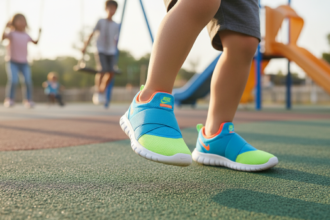
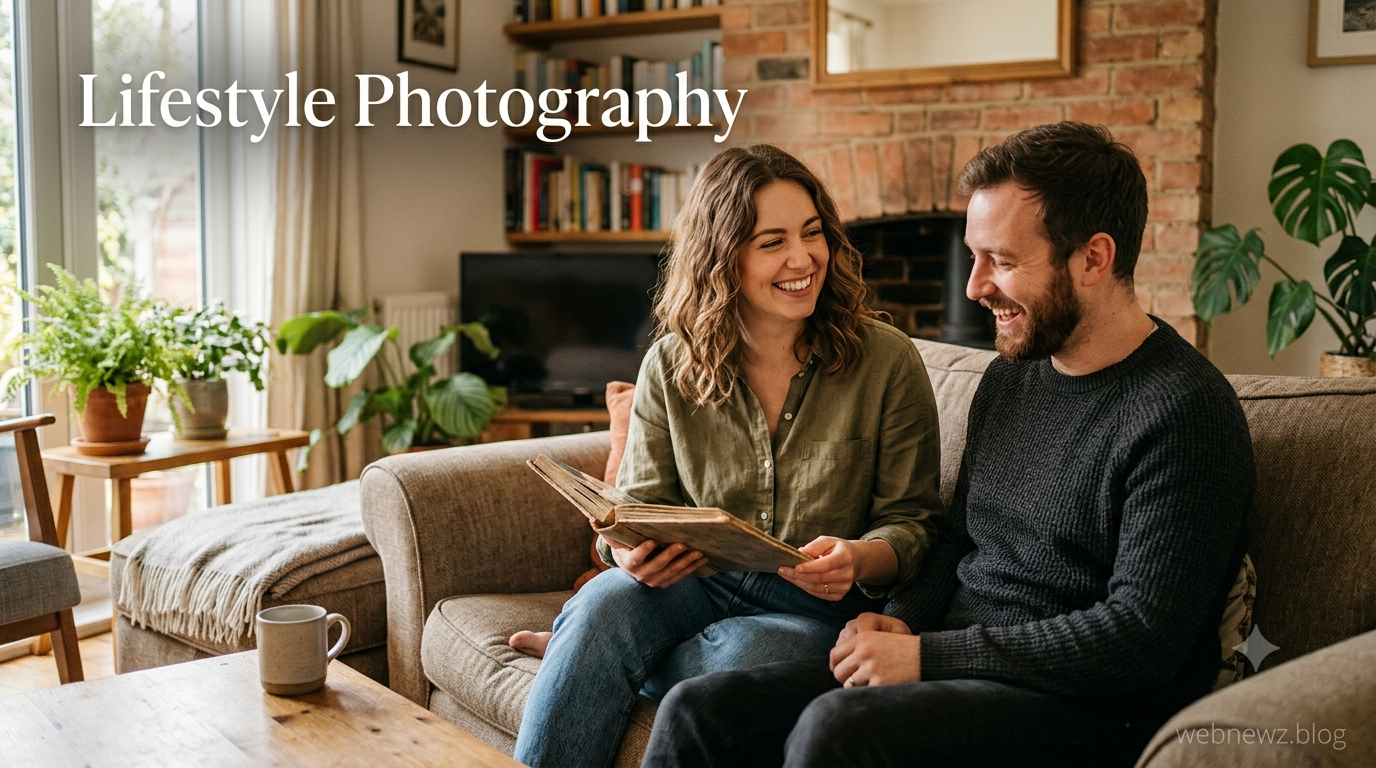
Lifestyle photography is a style of photography that captures people in natural situations. Instead of stiff poses, it focuses on everyday moments and real emotions. A family laughing together, friends sharing a meal, or a child playing outside are perfect examples of lifestyle photography.
The goal is to tell a story through images. Every picture should make viewers feel connected to the people in the photo. Unlike traditional portraits, this style allows movement, conversation, and genuine expressions. That is why lifestyle photography has become one of the most popular photography styles today.
Why Lifestyle Photography Is So Popular
People want photos that feel real. Social media and digital albums are filled with authentic moments instead of formal portraits. Lifestyle photography gives families and businesses images that show personality and emotion.
Brands also prefer this photography style because customers trust natural images more than staged advertisements. A relaxed photo often creates a stronger emotional connection than a perfectly posed picture.
Some reasons for its popularity include:
- Natural expressions
- Emotional storytelling
- Timeless memories
- Creative freedom
- Perfect for social media and marketing
Essential Equipment for Lifestyle Photography
You do not need expensive equipment to begin lifestyle photography. Great photos come from creativity, patience, and understanding light.
A beginner can start with:
- A DSLR or mirrorless camera
- A 35mm or 50mm prime lens
- Extra memory cards
- Spare batteries
- A lightweight camera bag
Many photographers also create beautiful lifestyle photography using modern smartphones. The key is learning composition and lighting instead of depending on expensive gear.
Best Lighting Tips
Lighting makes a huge difference in lifestyle photography. Natural light is usually the best choice because it creates soft and flattering images.
The best times to shoot are early morning and late afternoon. These periods are known as the golden hour because the sunlight is warm and gentle.
Avoid bright midday sunlight whenever possible. Harsh light creates strong shadows that can distract from your subject. If shooting indoors, place people near large windows to use soft natural light.
Choosing the Perfect Location
A great location helps tell your story. Lifestyle photography works best in places where people naturally feel comfortable.
Popular locations include:
- Homes
- Parks
- Beaches
- Coffee shops
- Gardens
- City streets
- Forest trails
The location should match the story you want to tell. A family baking together looks best in a cozy kitchen, while a couple’s adventure may fit a mountain trail or beach.
How to Capture Genuine Emotions
The heart of lifestyle photography is real emotion. Instead of telling people to smile, encourage them to interact naturally.
Ask simple questions, play games with children, or let couples talk to each other. Genuine laughter and natural conversation create much stronger images than forced poses.
Photographers should observe quietly and capture moments as they happen. Sometimes the best picture appears between planned shots.
Camera Settings for Better Results
Understanding basic camera settings improves every lifestyle photography session.
Helpful settings include:
- Wide aperture (f/1.8 to f/2.8) for soft backgrounds
- Fast shutter speed for moving subjects
- Low ISO when enough natural light is available
- Continuous autofocus for active children
Practice these settings often until they become natural. Every location is different, so adjusting your camera quickly is an important skill.
Editing Lifestyle Photography
Editing should improve the photo without making it look fake. The goal is to keep colors natural and skin tones realistic.
Simple editing includes:
- Adjusting brightness
- Improving contrast
- Correcting white balance
- Adding slight sharpness
- Cropping distractions
Avoid using heavy filters. Natural editing keeps the story believable and timeless.
Common Mistakes Beginners Make
Every photographer makes mistakes while learning. The important thing is to practice and improve.
Common mistakes include:
- Using too many poses
- Ignoring natural light
- Over-editing photos
- Forgetting the background
- Taking too few pictures
- Not communicating with clients
Learning from each session helps photographers develop their own creative style.
Lifestyle Photography for Businesses
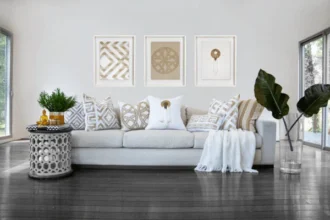
Businesses use lifestyle photography to build trust with customers. Instead of showing products alone, brands show people using them in everyday life.
Restaurants photograph families enjoying meals. Clothing companies show real people wearing their products. Fitness brands capture active lifestyles instead of perfect studio shots.
These authentic images help customers imagine themselves using the product, making marketing more effective.
Tips to Improve Your Lifestyle Photography Skills
Improving takes practice and patience.
Try these ideas:
- Photograph daily life every week.
- Study natural light.
- Watch people’s interactions.
- Practice storytelling.
- Learn basic photo editing.
- Experiment with different locations.
- Keep your camera ready.
- Review your work regularly.
The more you practice lifestyle photography, the more confident and creative you will become.
Conclusion
Lifestyle photography is about capturing real life in its most beautiful form. It celebrates genuine emotions, meaningful relationships, and everyday experiences. You do not need expensive equipment or a professional studio to create amazing images. With good lighting, thoughtful composition, and a focus on authentic moments, anyone can produce memorable photographs. Continue practicing, experiment with different ideas, and develop your own creative style. Every photo you take has the potential to tell a meaningful story that people will treasure for years.
Frequently Asked Questions
1. What is lifestyle photography?
Lifestyle photography captures real-life moments naturally instead of using formal poses.
2. Is lifestyle photography suitable for beginners?
Yes. Beginners can start with a smartphone or an entry-level camera and practice using natural light.
3. Which lens is best for lifestyle photography?
A 35mm or 50mm prime lens is popular because it creates sharp images with beautiful background blur.
4. Can lifestyle photography be done indoors?
Yes. Homes, studios with window light, and cafés are excellent indoor locations for lifestyle photography.
5. How do I make people look natural in photos?
Encourage conversation, movement, and fun activities instead of asking for stiff poses.
6. Is editing important in lifestyle photography?
Yes. Light editing improves colors, brightness, and clarity while keeping photos natural and authentic.