
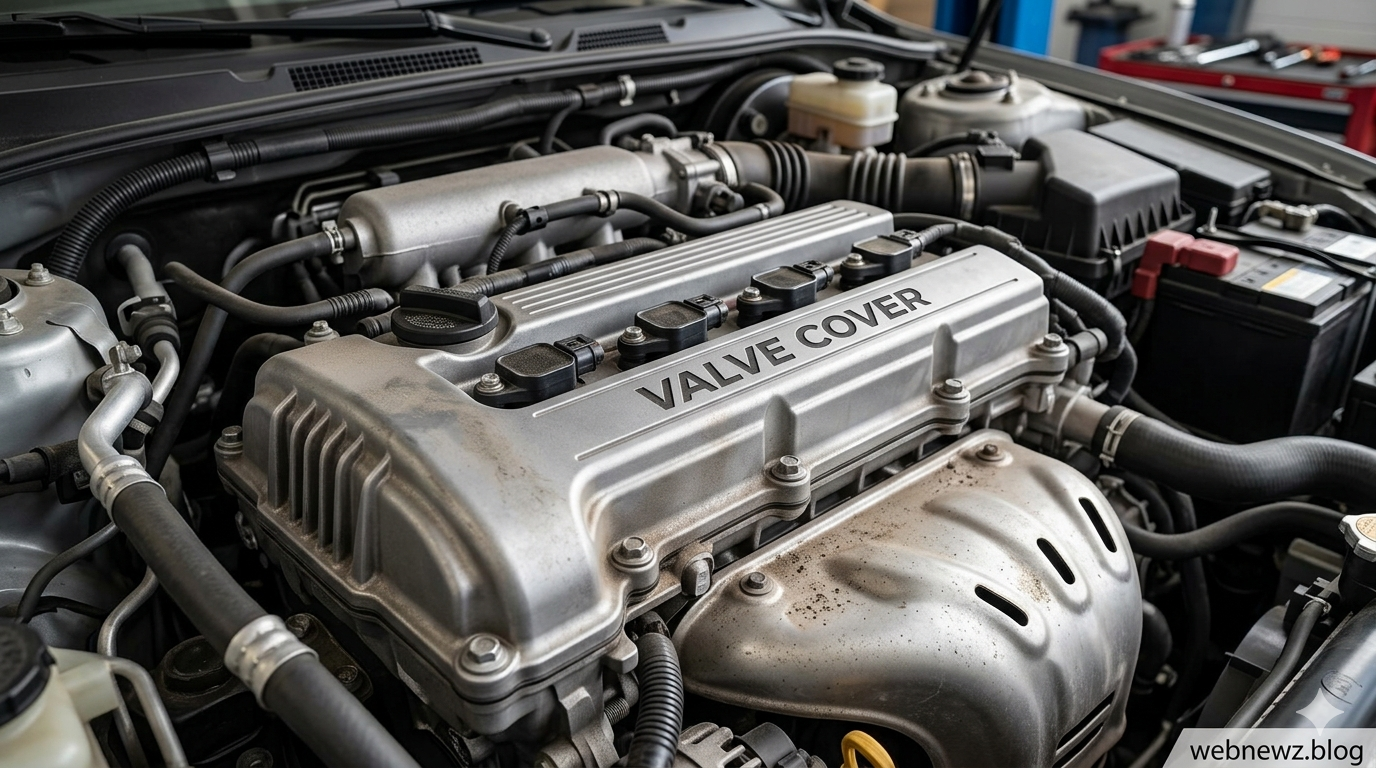
Have you ever opened the hood of your car and wondered what all those parts do? One of the most important pieces sitting right on top of your engine is called the valve cover. Think of it like a hat for your engine. It keeps everything clean and tidy inside. Without a good valve cover, your engine could get very messy, very fast!
This part does a big job. It covers the cylinder head and the moving parts underneath, like the valves. It keeps oil inside where it belongs so it can do its job. If the valve cover fails, oil might leak out onto your hot engine. This can cause smoke or even bad smells while you drive. Keeping it in good shape helps your car run smoothly for years to come.
What Does a Valve Cover Actually Do?
The main job of the valve cover is to act as a lid. It protects the delicate parts of your engine’s upper half. It sits on top of the cylinder head to keep dirt and debris out. At the same time, it keeps all your engine oil trapped inside. Your engine needs oil to stay cool and move easily. The valve cover helps make sure that oil stays where it is needed most.
It also helps keep your engine bay clean. Imagine if oil just splashed everywhere under your hood! It would be very hard to work on the car. By sealing the top, the valve cover prevents those big messes. It is a simple part, but it is very important for keeping your engine happy and clean.
What Is a Valve Cover Gasket?
While the valve cover is the metal or plastic lid, the valve cover gasket is the seal that goes underneath. It is usually made of rubber or cork. It sits between the cover and the engine. When you tighten the bolts, the gasket squishes down to create a tight, leak-proof seal. This prevents oil from seeping out the sides.
Over time, this gasket can get hard and brittle. When it gets old, it cannot hold a good seal anymore. That is when you might start to see oil leaks. If you see wet spots around the edges of your valve cover, the gasket might need to be replaced soon.
Common Signs of a Leaking Valve Cover
How do you know if your valve cover or gasket has a problem? The most common sign is the smell of burning oil. When a small amount of oil leaks out, it drips onto the hot exhaust parts below. You will smell that “burnt toast” or “burning oil” scent through your vents while driving.
Another sign is seeing oil on the side of the engine. If your engine looks wet or dirty with grime, it could be a slow leak from the valve cover. You might also notice that your oil level is dropping between changes. If you see these signs, it is time to have a mechanic take a look. Catching it early saves you money later!
Why Does a Valve Cover Leak?
The most common reason for a valve cover to leak is age. As we learned, the gasket is made of rubber. Heat from the engine makes it dry out. After many years, the rubber loses its “spring” and cracks. A cracked gasket cannot keep the oil inside the engine anymore.
Sometimes, the bolts holding the valve cover can also come loose. Vibration from the engine can shake them over time. If they are loose, the seal is no longer tight. In some cases, the valve cover itself might crack if it is made of plastic. Whatever the reason, once a leak starts, it usually gets worse if you ignore it.
How to Check Your Valve Cover
Checking your valve cover is quite easy to do. You just need a flashlight and a few minutes. First, park your car on flat ground and turn off the engine. Make sure the engine is cool to the touch. Open the hood and look at the very top of the engine block.
You are looking for wet, dark areas around the edges where the metal lid meets the engine. If it looks dry and dusty, your valve cover is doing a great job! If you see thick, dark gunk or wet oil patches, you have found a leak. It is a good habit to check this during every oil change.
Tools Needed for a Quick Inspection
You do not need fancy tools to look at your valve cover. A simple LED flashlight is the best tool you can have. It helps you see deep into the dark corners of the engine bay. A clean rag is also helpful to wipe away dust so you can see if the surface underneath is truly wet.
If you decide to try and tighten the bolts yourself, you will need a basic socket set. However, be very careful! It is very easy to break a bolt if you tighten it too much. If you are not sure, it is always best to let a professional handle it. Always safety first when working on cars!
The Importance of Engine Oil Maintenance
Your engine loves clean oil. The valve cover is part of the system that keeps your oil pure and protected. If you let a leak go on too long, your oil level drops. When the oil level is low, your engine parts rub against each other. This creates heat and can cause permanent damage to your engine.
By keeping your valve cover and gasket in good shape, you protect your investment. Regular oil changes are also key. Clean oil does not get as hot or as dirty, which helps the gasket last much longer. Take care of your car, and it will take care of you on the road!
Can You Replace a Valve Cover Gasket Yourself?
Replacing a valve cover gasket is a common repair for car fans. It is not too hard, but it does take patience. You have to remove the old bolts and lift off the valve cover. Then, you clean the surface perfectly. If there is old gunk left behind, the new gasket will not seal well.
You must be very gentle. Many covers are made of plastic or thin metal and can bend easily. You also need to torque the bolts correctly. This means tightening them to the exact pressure listed in your car’s manual. If you feel nervous, don’t worry—most repair shops can do this job in just an hour or two.
Different Materials: Plastic vs. Metal
Did you know that some engines have plastic valve covers, while others have metal ones? Both do the same job. Metal covers, usually made of aluminum, are very strong and last a long time. However, they can be heavy. Plastic covers are popular now because they are lighter and cheaper to make.
The downside is that plastic can warp or crack more easily than metal over time. If you have a plastic valve cover, you should be extra careful not to over-tighten the bolts. Whether your car has metal or plastic, the goal is always the same: keep that oil inside where it belongs.
When Should You See a Mechanic?
If you notice a strong smell of oil or see big puddles of oil on your driveway, see a mechanic right away. While a small drip might not stop your car today, it can grow into a bigger problem. You don’t want to be stranded on the side of the road because your engine ran out of oil!
Also, if you do not have the right tools, it is safer to hire a pro. Mechanics have special tools to make sure the valve cover is sealed perfectly. They can also check if the leak is coming from the gasket or somewhere else. Getting it done right the first time gives you peace of mind while driving.
Frequently Asked Questions (FAQs)
1. Is it safe to drive with a leaking valve cover?
It is safe for a short time, but you should fix it as soon as possible. Oil leaks can cause smoke, fire risks, and permanent engine damage if the oil gets too low.
2. How much does a valve cover repair cost?
Costs vary by car. It usually involves buying a new gasket and paying for labor. It is generally a mid-priced repair that is much cheaper than fixing a broken engine.
3. How often should a valve cover gasket be replaced? There is no set time, but many last 80,000 to 100,000 miles. Some may last the whole life of the car, while others might need replacement sooner due to heat.
4. Can a bad valve cover cause a check engine light?
Yes, it can. If the leak affects your engine’s vacuum or causes oil to foul your spark plugs, your car’s computer may turn on the check engine light.
5. What is the difference between a valve cover and a head gasket?
A valve cover sits at the very top of the engine. A head gasket sits lower, between the cylinder head and the engine block. A head gasket failure is much more serious and expensive.
6. Do I need to buy a whole new valve cover if it leaks?
Usually, you only need to replace the rubber gasket. You only need a new valve cover if the old one is cracked, warped, or damaged.
Conclusion
Your car’s valve cover is a small part that plays a big role in your engine’s life. By keeping a close eye on it, you can prevent messy leaks and keep your engine running strong. Remember to check for leaks when you change your oil. If you see any signs of trouble, don’t wait! Taking action early will keep your car reliable and save you from bigger repair bills down the road. Do you have questions about your own engine? Let us know in the comments below!