
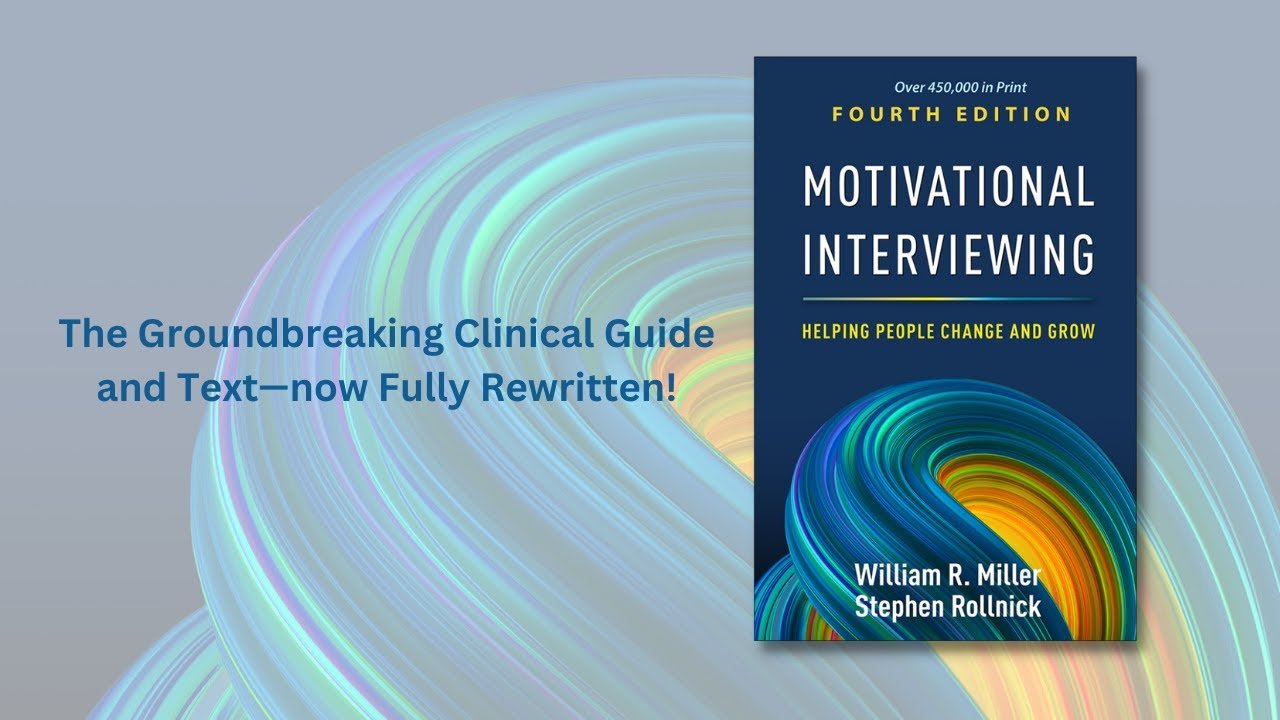
Motivational Interviewing (MI) represents a profound shift in how we approach behavioral change. Rather than the traditional “expert-led” model where a practitioner tells a client why they must change, MI is a collaborative, person-centered form of guiding to elicit and strengthen motivation. It is built on the understanding that people are generally better persuaded by the reasons they themselves discovered than by those orated by others. This article explores the core philosophy and the specific techniques that make Motivational Interviewing one of the most effective tools in counseling, healthcare, and leadership.
The Philosophical Foundation of the MI Spirit
Before diving into specific techniques, one must understand the “Spirit of MI.” Without this foundation, the techniques can feel manipulative or clinical. The spirit of MI is defined by four key pillars: Partnership, Acceptance, Compassion, and Evocation. Partnership implies that the practitioner and the client are equals, moving together toward a common goal. Acceptance involves honoring the client’s autonomy and potential, regardless of their current choices. Compassion ensures the practitioner acts in the client’s best interest, while Evocation is the belief that the “answer” to the client’s problem lies within them, not within the practitioner’s advice. This mindset shifts the dynamic from a battle of wills to a shared journey of discovery.
Engaging through the OARS Framework
The bedrock of motivational interviewing techniques is often summarized by the acronym OARS. These are the micro-skills used to build rapport and explore the client’s internal landscape. Open-ended questions are the first component, designed to encourage the client to do most of the talking. Instead of asking “Do you want to quit smoking?”, an MI practitioner might ask, “How would your life be different if you decided to change your smoking habits?” This invites reflection rather than a simple yes or no.
Affirmations follow, serving to build the client’s self-efficacy. By noticing and commenting on a client’s strengths or previous successes, the practitioner helps the client see themselves as someone capable of change. Reflections are perhaps the most critical skill; they involve the practitioner restating or paraphrasing what the client has said. This validates the client’s feelings and often helps them hear their own thoughts from a different perspective. Finally, Summaries are used to wrap up a conversation or a specific segment, ensuring both parties are on the same page and highlighting the “change talk” that occurred during the session.
Recognizing and Reinforcing Change Talk
The primary goal of MI is to evoke “Change Talk.” This refers to any speech that moves a person toward the direction of positive change. Within motivational interviewing techniques, identifying change talk is vital because it predicts actual behavioral outcomes. Change talk is often categorized by the acronym DARN-CAT. The preparatory elements (DARN) include Desire to change, Ability to change, Reasons for changing, and Need for change. When a client says, “I wish I felt more energetic,” they are expressing Desire. When they say, “I’ve quit for a week before,” they are expressing Ability.
The mobilizing elements (CAT) are more advanced and include Commitment, Activation, and Taking steps. This is where the client moves from thinking about change to planning for it. An effective practitioner listens for these cues and uses reflections to “amplify” them. For example, if a client mentions they want to be around for their children’s graduation, the practitioner might reflect, “Your family is a huge motivation for you to stay healthy.” This reinforces the internal drive rather than imposing an external one.
Navigating Discord and Sustaining Neutrality
In any change process, “Discord” or resistance is inevitable. In the past, practitioners might have viewed this as a client being “difficult” or “in denial.” In the context of motivational interviewing techniques, discord is seen as a signal to change the approach. Rolling with resistance involves avoiding argumentation and instead acknowledging the client’s perspective. If a client insists they aren’t ready to change, the practitioner might respond with, “It sounds like you feel pressured, and you’re not sure if this is the right time for you.”
This technique prevents the “Righting Reflex,” which is the natural urge practitioners have to fix people’s problems. When a practitioner pushes, a client naturally pulls back to assert their autonomy. By “rolling” with the resistance, the practitioner stays in step with the client, maintaining the relationship and keeping the door open for future change talk. This neutrality allows the client to explore their own ambivalence without feeling judged or coerced.
Developing Discrepancy to Fuel Motivation
One of the most sophisticated motivational interviewing techniques is the development of discrepancy. This involves helping the client see the gap between their current behavior and their broader goals or values. Change often happens when the “pain” of staying the same exceeds the “pain” of changing. By using strategic reflections and summaries, the practitioner highlights these inconsistencies.
For instance, a client might value being a reliable employee but frequently misses work due to alcohol use. The practitioner doesn’t point this out as a failure. Instead, they might say, “On one hand, being a top performer at work is incredibly important to you, and on the other hand, you’ve noticed that your drinking is starting to get in the way of that reliability.” This creates a “healthy tension” that the client feels compelled to resolve. When the client themselves identifies this gap, the motivation to close it becomes internal and far more sustainable.
The Use of Scaling Questions for Self-Assessment
Scaling questions are a practical tool used to gauge a client’s readiness and confidence. A practitioner might ask, “On a scale of one to ten, where one is not at all important and ten is extremely important, how important is it for you to make this change right now?” Regardless of the number the client gives (unless it is a one), the follow-up question is key: “Why are you at a four and not a two?”
This “backward” questioning is a deliberate technique to elicit change talk. By explaining why they aren’t at a lower number, the client is forced to articulate their own reasons for change and their own strengths. If the practitioner asked, “Why aren’t you at an eight?”, the client would likely respond with all the reasons why they can’t change, which reinforces the status quo. Scaling provides a quantifiable way to track progress and helps the practitioner tailor their interventions to the client’s current stage of readiness.
Strengthening Commitment and Planning for Action
As the conversation shifts from “why” to “how,” the practitioner uses motivational interviewing techniques to solidify commitment. This is the “Planning” phase. It is crucial here not to jump ahead of the client. The practitioner might ask, “What do you think your first step might be?” or “How can I help you with this plan?”
The goal is to develop a Change Plan that is specific, measurable, and, most importantly, generated by the client. The practitioner acts as a consultant, offering information only with the client’s permission (using the Ask-Provide-Ask technique). This maintains the client’s autonomy until the very end. By the time a plan is in place, the client should feel a sense of ownership over the process, which significantly increases the likelihood of long-term success.
Conclusion
At its heart, the mastery of motivational interviewing techniques is about the power of listening. It challenges the ego of the helper, requiring them to step back and allow the client to lead. By creating a safe, non-judgmental space where ambivalence is accepted and change talk is nurtured, practitioners can facilitate breakthroughs that traditional advice-giving rarely achieves. Whether in a clinical setting or daily life, the principles of MI remind us that the most lasting changes are those that grow from within.